

Is Inflammation the Root of Aging?
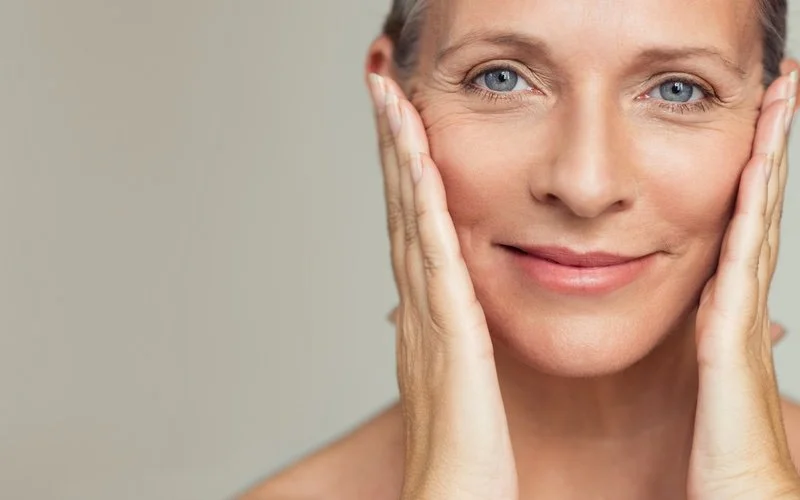
How Calming the Skin Slows the Clock
Aging is not caused by time alone. One of the most significant and often overlooked contributors to visible skin aging is chronic inflammation. When inflammation becomes part of daily life, it quietly accelerates collagen breakdown, weakens the skin barrier, and leaves the complexion looking red, reactive, and prematurely aged. Many people assume these changes are simply signs of getting older, when in reality they are often signals that the skin has been under constant stress.
Understanding how inflammation impacts the skin is a critical step in learning how to slow the aging process from within and create long-term skin health rather than temporary improvement.
What Is Inflammaging?
The term inflammaging refers to low-grade, ongoing inflammation that gradually damages skin structure over time. Unlike acute inflammation, which may appear as a temporary breakout, irritation, or reaction, chronic inflammation is far more subtle. It often goes unnoticed until it shows up as fine lines, loss of firmness, uneven tone, increased sensitivity, or skin that simply does not heal or respond the way it once did.
This persistent inflammatory state disrupts collagen and elastin production, interferes with healthy cell turnover, and accelerates visible aging long before deep wrinkles fully develop.
How Inflammation Accelerates Skin Aging
Inflammation triggers a chain reaction beneath the surface of the skin. When inflammatory pathways remain active for extended periods, collagen and elastin fibers begin to break down faster than the body can rebuild them. At the same time, oxidative stress increases, free radicals accumulate, and the skin’s protective barrier becomes compromised.
As the barrier weakens, moisture escapes more easily and irritants penetrate more deeply, creating a cycle in which the skin becomes increasingly reactive and less resilient. Over time, this leads to dullness, redness, rough texture, and a noticeable loss of firmness.
Everyday Habits That Fuel Inflammation
Many contributors to skin inflammation are woven into modern daily life. Chronic stress and elevated cortisol levels place the body in a constant fight-or-flight state, which directly impacts skin repair and collagen production. Poor sleep or inconsistent sleep patterns prevent the skin from completing its natural overnight renewal process. Overuse of exfoliants, acids, or aggressive treatments can compromise the barrier, even when intentions are good.
Environmental factors such as UV exposure, pollution, and blue light add another layer of stress, while diets high in sugar and processed foods can promote systemic inflammation that eventually shows up on the skin. When these factors stack together, the skin remains in defense mode rather than repair mode.
Why Calming the Skin Is a Powerful Anti-Aging Strategy
True anti-aging is not about aggressively correcting every visible concern. It is about creating the right environment for the skin to heal, strengthen, and rebuild itself naturally. When inflammation is reduced, collagen production improves, redness and sensitivity decrease, and the skin barrier becomes more resilient.
Calm skin is better able to retain hydration, respond to treatments, and age at a slower, more graceful pace. Healthy skin does not need to be forced into change, it responds when supported properly.
Supporting the Skin From the Outside
On the surface, calming inflammation starts with consistency and restraint rather than doing more. Gentle cleansing that respects the skin barrier is foundational. Using a non-stripping cleanser once or twice daily helps remove impurities without triggering irritation or dryness. Following with a barrier-supportive moisturizer that contains ingredients like ceramides, glycerin, or hyaluronic acid helps the skin retain water and protect itself against daily stressors.
Daily sun protection is one of the most powerful anti-inflammatory steps for the skin. Broad-spectrum SPF, worn consistently, even on cloudy days, helps prevent ongoing UV-induced inflammation that quietly breaks down collagen over time. Many people also benefit from simplifying exfoliation. Limiting acids, scrubs, and retinoids to appropriate frequencies and allowing recovery days between treatments gives the skin time to repair rather than remain in a constant state of irritation.
Incorporating soothing and strengthening ingredients can further reduce daily inflammatory stress. Antioxidants such as vitamin C or niacinamide help neutralize free radicals from pollution and environmental exposure, while hydration-focused formulas support elasticity and resilience. The goal is not aggressive correction, but steady support.
Professional treatments also play an important role when chosen thoughtfully. Advanced medical spa treatments can improve circulation, encourage collagen production, and calm redness without unnecessary trauma. Treatments that prioritize skin health, rather than forcing rapid change, often deliver more refined, longer-lasting results. When professional care works with the skin instead of overwhelming it, the complexion becomes calmer, stronger, and more responsive over time.
Supporting the Skin from the Inside
Inflammation does not begin on the skin; it reflects what is happening internally. Chronic stress, for example, keeps cortisol levels elevated, which directly interferes with collagen production and skin repair. Incorporating stress-regulating practices such as regular walking, gentle strength training, yoga, or even short daily breathwork sessions can help shift the nervous system out of constant fight-or-flight mode and into repair.
Sleep is another critical factor. During deep sleep, the body releases growth hormone and carries out cellular repair processes that support collagen production and barrier restoration. Prioritizing consistent sleep schedules, limiting screen exposure before bed, and creating a calming nighttime routine can significantly impact how the skin looks and heals over time.
Nutrition also plays a meaningful role in inflammation control. Staying well hydrated supports circulation and cellular function, while focusing on whole, nutrient-dense foods help reduce systemic inflammation. Diets rich in leafy greens, colorful vegetables, healthy fats like olive oil and omega-3s, and adequate protein provide the building blocks the skin needs to repair itself. Reducing excess sugar and highly processed foods can help minimize inflammatory spikes that often show up as breakouts, redness, or sensitivity.
When the body is supported internally through stress management, restorative sleep, and nourishing nutrition, the skin becomes more resilient externally. Rather than reacting constantly, it is better able to heal, strengthen, and age at a slower, more balanced pace.
Aging Gracefully Starts with Skin Stability
The most youthful complexions are not the tightest or most altered. They are the calmest. Skin that is balanced, hydrated, and free from chronic inflammation naturally appears smoother, brighter, and more refined. By shifting the focus away from aggressive correction and toward inflammation control, modern aesthetics supports longevity rather than quick fixes.
Calm skin is not just healthier skin. It is skin that ages better.
To learn more about wellness treatments, Click Here!
Book your Comprehensive Consult for a more personalized approach. Book Now!