Beef Tallow for Your Face: Skincare Miracle or Social Media Hype?
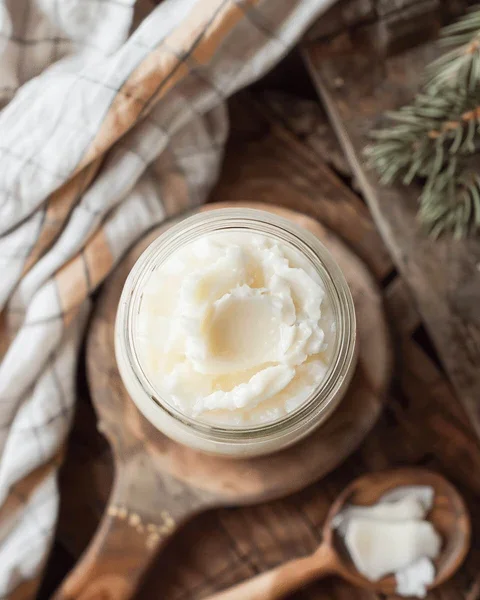
If you've spent any time scrolling through skincare content lately, you've probably seen someone applying beef tallow to their face.
Once primarily associated with cooking, beef tallow has become one of social media's most talked-about skincare ingredients. Supporters claim it can deeply moisturize the skin, strengthen the skin barrier, calm inflammation, improve acne, and even replace conventional moisturizers.
But does putting beef tallow on your face actually live up to the hype?
The answer isn't quite as simple as social media makes it seem.
What Is Beef Tallow?
Beef tallow is rendered and purified fat from cattle. Because it contains fatty acids such as oleic, stearic, palmitic, and linoleic acids, it has properties that can help soften the skin and reduce moisture loss.
This is one reason people with very dry skin may feel an immediate difference after applying it. A rich layer of fat on the surface of the skin can act as an occlusive, helping trap moisture and making the skin temporarily feel softer and more hydrated.
That part of the trend isn't necessarily hype.
Where things become less clear is when moisturizing benefits turn into claims that tallow can treat acne, eczema, wrinkles, inflammation, or other skin conditions.
Is Beef Tallow Really Similar to Your Skin's Natural Oils?
One of the most common claims online is that beef tallow is remarkably similar to human sebum, the natural oil produced by our skin.
There are similarities between some of the fatty acids found in tallow and those present in the skin's lipid environment. However, that doesn't mean beef tallow is identical to human sebum—or that the skin automatically recognizes it as the perfect moisturizer.
Healthy skin is much more complex than simply replacing oil.
The skin barrier relies on a carefully organized combination of lipids, including ceramides, cholesterol, and fatty acids, along with adequate hydration. Modern skincare formulations can be specifically designed to support those components in controlled concentrations.
So, while tallow contains potentially useful lipids, “natural” doesn't automatically mean more compatible, more effective, or better for your skin.
What Does the Research Actually Say?
This is where the viral claims get ahead of the science.
There is currently limited research directly studying beef tallow as a facial skincare product. Much of what we know comes from research examining the individual fatty acids found within tallow rather than clinical studies demonstrating that beef tallow itself improves specific skin conditions.
That distinction matters.
There is scientific reason to believe certain fatty acids can support hydration and aspects of skin-barrier function. But there isn't enough evidence to conclude that applying beef tallow to your face treats acne, eczema, psoriasis, wrinkles, or other concerns simply because it contains those fatty acids.
Personal testimonials can be interesting, but someone's before-and-after video isn't the same thing as controlled clinical research.
What About Acne-Prone Skin?
This is where we would be especially cautious.
If your skin is oily, congested, or prone to breakouts, adding a very rich occlusive product may not be the best choice for your individual skin.
You'll frequently see tallow described online as “non-comedogenic,” but there isn't enough evidence to confidently make that statement for every formulation or every skin type.
Acne is also influenced by much more than surface dryness. Sebum production, follicular plugging, inflammation, hormones, bacteria, skincare habits, and other factors can all play a role.
Something that makes one person's dry skin feel wonderful could leave another person's skin feeling congested.
Could Beef Tallow Help Dry Skin?
Possibly.
This is probably where the trend makes the most sense.
Because tallow is rich and occlusive, it may help reduce water loss and make very dry skin feel softer. But that doesn't necessarily mean it's superior to a moisturizer formulated with ingredients such as ceramides, glycerin, hyaluronic acid, squalane, or other well-studied barrier-supporting ingredients.
There's an important difference between making skin feel moisturized and actually addressing why the skin is persistently dry, irritated, or compromised.
If your skin suddenly becomes extremely dry, sensitive, red, flaky, or reactive, simply adding a heavier moisturizer may not solve the underlying issue.
“Natural” Doesn't Automatically Mean Better
This may be the biggest lesson behind the beef tallow trend.
Consumers are increasingly interested in simpler ingredient lists and products perceived as more natural. There's nothing inherently wrong with that.
But your skin doesn't judge ingredients based on whether they came from a laboratory, a plant, or an animal.
It responds to chemistry.
How an ingredient is purified, formulated, preserved, combined with other ingredients, and delivered to the skin all influence how a product performs.
A well-formulated skincare product isn't automatically inferior because it contains ingredients with scientific-sounding names, just as a natural ingredient isn't automatically safer because we recognize where it came from.
So, Is Beef Tallow Worth Putting on Your Face?
For some people with very dry skin, a properly formulated tallow-based product may function as a rich moisturizer.
But is beef tallow a miracle ingredient?
Based on the research we currently have, no.
There simply isn't enough evidence to support many of the dramatic claims being made online, particularly claims involving acne, eczema, psoriasis, anti-aging, or other skin conditions.
And that doesn't mean beef tallow is necessarily “bad,” either.
It means we should hold it to the same standard we should hold every skincare trend to: What does the evidence actually show, and does this make sense for your individual skin?
Your Skin Doesn't Need Every Trend
Skincare trends will continue to come and go.
One month it's beef tallow. The next month it may be a new peptide, supplement, device, or ingredient promising to transform your skin.
Healthy skin usually isn't built by constantly replacing your routine with the newest viral product.
It's built through consistency: protecting your skin from UV exposure, supporting a healthy skin barrier, choosing ingredients appropriate for your concerns, managing inflammation, and adjusting your routine as your skin changes.
At BE Mind Body Skin, we believe skincare should be individualized rather than trend driven. If you're curious about a viral ingredient, you don't necessarily have to dismiss it, but it's worth understanding what it can realistically do before changing a routine that's already working for your skin.
Because when it comes to skin longevity, the goal isn't to follow every trend.
It's to understand your skin well enough to know which ones you can skip.